Curious whether this service truly delivers on live channels, on-demand content, and reliable support—or if it’s a risky choice?
You want a straight answer, not fluff. This quick guide checks what matters: channel reliability, content depth, pricing, device coverage, and trust signals like WHOIS and hosting reputation.
The domain shows signs that matter: slow site speed, shared hosting with suspicious neighbors, and a privacy-masked WHOIS. These flags can predict instability even if basic SSL is present.
We’ll compare those realities to a clear alternative that offers 19,000+ live channels, 97,000+ VOD, low pricing, instant activation, and 24/7 support so you can decide fast and risk-free.
Key Takeaways
- Look beyond friendly marketing: hosting, WHOIS transparency, and traffic rank signal stability.
- Reliable live channels and broad on-demand content are top priorities for daily use.
- Low price matters only if the service is stable and supported across your devices.
- Instant activation and 24/7 support reduce the trial-and-error risk when you sign up.
- Consider a proven alternative that bundles sports and movies with wide device coverage for better value.
Cut through the noise: what you really want from an IPTV service in 2025
When choices feel endless, focus on a few practical features that change your watching life. Pick a provider that gives deep live channel libraries, reliable on‑demand content, and hassle‑free device setup.
Your goals: live channels, on‑demand content, and zero hassles
You want a straightforward iptv service that gets you into live channels and VOD fast. No sideloads, no juggling apps, and clear pricing that doesn’t spike after a trial.
Priorities:
- Consistent channel lineup and high‑quality VOD.
- Simple setup across Firestick, Smart TVs, phones, and desktops.
- Fast, 24/7 support and clear refund policies.
Commercial reality: verified vs unverified providers and what that means for you
Verified services from app stores offer legal comfort and stability. Unverified options can be cheaper, but they often require side‑loading and carry uptime and security risks.
| Factor | Verified services | Unverified providers |
|---|---|---|
| Legal status | App-store vetted, licensed | Often unclear or risky |
| Setup | Easy, no sideload | Complex, may require manual installs |
| Price vs value | Higher price, predictable | Lower cost, unstable long-term |
| Support & uptime | Reliable support, consistent streams | Variable support, outages likely |
With so many iptv options, use a quick decision path: check content fit, reliability, device coverage, and support response time. If you want a streamlined option that removes hassles, see the GetMaxTV guide for a practical alternative: GetMaxTV guide.
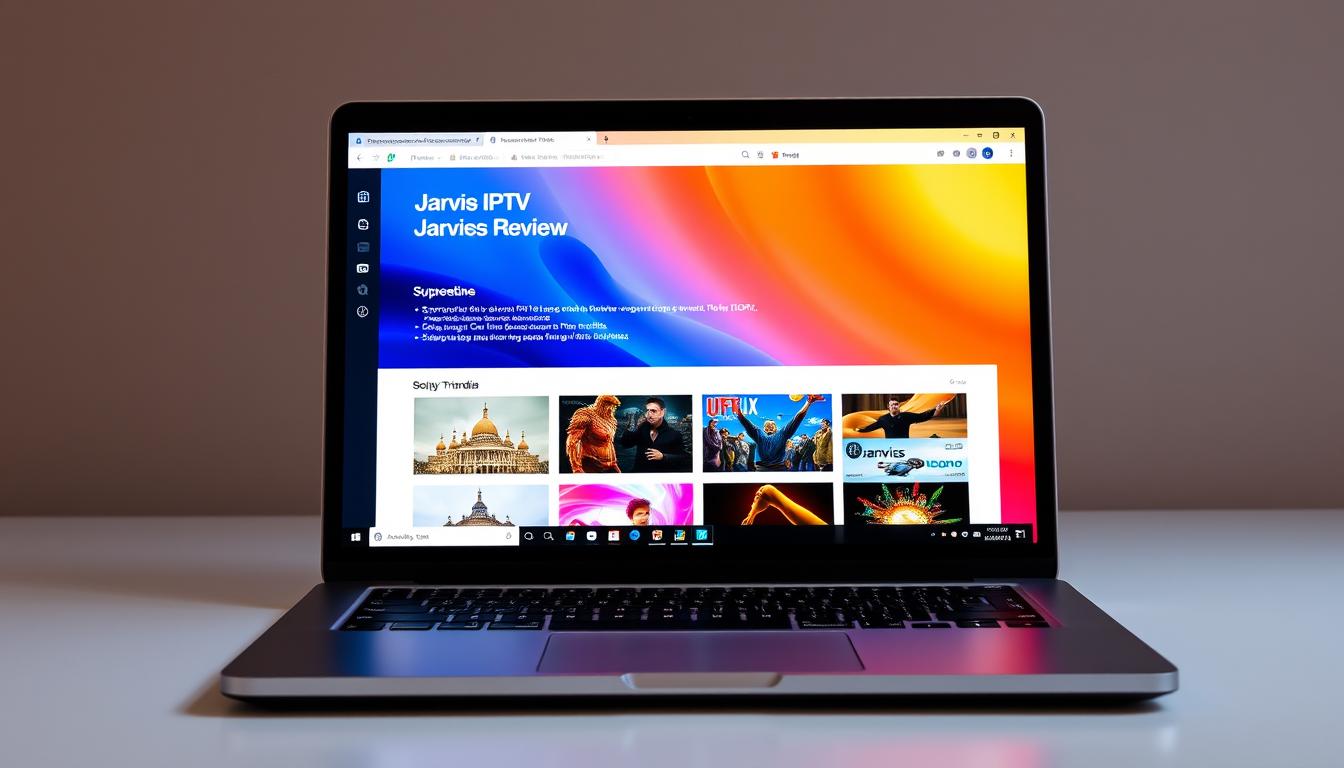
Jarvis IPTV review: what the claims miss and the risks you should know

Public-facing signals—WHOIS, hosting neighbors, and traffic rank—often tell the real story behind a service.
Trust signals under the microscope
Hidden WHOIS and a low Tranco rank are red flags. When an owner masks registration details, you lose transparency about who runs the provider.
On the server side, many suspicious sites share the same IP (192.64.117.66). That raises a real privacy and reputation risk.
Technical red flags that affect you
Site speed is slow and the domain is new (created 2023‑07‑15). Slow pages can mean login delays, stalled payments, and buffering during live events.
A basic DV SSL from Sectigo only encrypts traffic. It doesn’t prove strong operational controls or reliable uptime.
Why shared hosting matters
Hosting with a provider known for risky neighbors can lead to takedowns or performance drops. A registrar profile with many spam-linked domains is another warning sign.
- Hidden WHOIS correlates with higher churn and support headaches.
- Shared servers increase privacy exposure and outage chances.
- Social media hype can hide these fundamentals and push short-term signups.
Bottom line: these trust markers raise your long-term cost and anxiety. If you want transparent ownership, faster portals, and responsive support, consider GetMaxTV for a clearer value and reliable 24/7 help.
How IPTV services work today and why reliability varies so much
Streaming quality starts long before your TV—it’s shaped by where a provider gets feeds and how those feeds travel across the internet.
From content acquisition to delivery: what affects streaming quality
First, content is acquired from broadcasters or aggregators and encoded using H.264 or HEVC. Encoding choices set the bitrate and affect how well the stream survives congestion.
Files live on a server or CDN edge cache. That cache and the provider’s peering decide if a peak event stays smooth or buffers.
Adaptive streaming swaps bitrates based on your connection. You need about 15–24 Mbps for big events to reduce buffering.
“Reliability is an infrastructure problem, not just a home network issue.”
IPTV vs traditional cable and satellite: the real-world tradeoffs
IPTV offers flexible features and more viewing options, but performance hinges on internet routing, server capacity, and device app quality.
Use simple tools to verify your link: speed tests, Ethernet over Wi‑Fi, and checking CDN reach. That helps you compare iptv providers and pick options that match your home network.
Bottom line: understanding this pipeline lets you spot weak links and choose a provider that makes complex tech feel simple—like GetMaxTV does with clear infrastructure and strong support.
Legality, privacy, and using a VPN: what U.S. viewers need to know

Understanding the legal and privacy landscape is the best move before you sign up. You’ll want clear signals that a service follows licensing rules and lists normal payment methods.
Verified vs unverified services: licenses, app stores, and pricing signals
Verified services appear in official app stores and usually carry licenses. That shows a lower risk and simpler setup.
Unverified providers often require sideloading. Those services may offer lower prices but can bring legal and security tradeoffs.
Legal gray areas and shutdown scenarios that can cost you
Unverified providers can disappear overnight. You could lose funds and access, and your subscription data might be exposed.
Tip: Check refund terms and whether customer support responds fast before you pay.
When using a VPN helps: throttling, geo-blocks, and identity protection
Using vpn tools can reduce ISP throttling, help with geo-blocks when you travel, and add a privacy layer. Paid VPNs give better speed and security than free options.
- Favor services in app stores and normal pricing patterns.
- Limit what billing and contact data you share.
- Know refund rules and test customer support response time.
For a clear legal summary and practical steps to pick a trustworthy provider, see the legal IPTV services guide. Choose value-forward services with transparent terms and round‑the‑clock support.
Streaming quality and uptime during peak hours: beyond glossy reviews

Peak-time performance reveals how much a provider invested in real infrastructure versus marketing. Expect honest limits: many providers cannot match cable’s 99.9% uptime during big events.
Why buffering happens even with fast internet
Even if your home plan meets specs, buffering can still hit. Overloaded origin server farms, congested peering routes, and crowded Wi‑Fi all matter.
Tip: 15–24 Mbps helps, but it won’t fix saturated provider caches during a prime-time match.
Server overload, outages during sports, and inconsistent channel availability
Testing shows common problems: buffering at peak hours, sporadic outages around live sports, and channels that drop or swap when caches refresh.
- Common technical issues: login timeouts, EPG desync, channel swaps, and VOD gaps.
- Peak hours expose weak networks—lower-tier providers throttle or go offline under load.
- Look for providers that publish maintenance windows and show fault history.
To reduce interruptions, use wired Ethernet, keep apps updated, and pick a provider with proven redundancy and fast support.
“The right service invests where it counts so you spend more time watching and less time troubleshooting.”
Understanding outage patterns helps you tell a one-off hiccup from systemic capacity problems. That way you choose iptv services and a service that hold steady when it matters most.
Devices and apps: the best way to watch on Firestick, Smart TVs, Android, Mac, and Windows
Your choice of apps and devices decides how painless setup and day-to-day viewing will be. Pick a provider that supports common players and EPG formats so programs load fast and listings stay accurate.
EPG, player compatibility, and multiple devices without headaches
GetMaxTV favors universal support across Firestick, Android TV, smart tvs, iOS, Mac, and Windows. That means you can use familiar apps and avoid repeated installs.
Tip: Choose native apps when available; common players like IPTV Smarters and TiviMate usually pair best with rich EPG and catch‑up features.
| Device | Typical apps | EPG & programs | Notes |
|---|---|---|---|
| Firestick | Native app, TiviMate | Full EPG, catch‑up | Easy install, voice remote support |
| Smart TVs | Built‑in app, Android TV apps | EPG compatible, program search | No extra box needed for most models |
| Mac & Windows | Web player, VLC | EPG via web UI | Great for multi‑window viewing |
| iOS & Android | Mobile apps, native players | Program sync, watchlist | Offline settings and parental controls |
To stream on multiple devices, keep account limits and device names organized. Use Ethernet or strong Wi‑Fi and avoid simultaneous HD streams on a single low‑bandwidth link.
Customer support matters: responsive 24/7 help can cut setup time and fix player conflicts quickly. With clear guides and live support, you’ll spend more time watching and less time troubleshooting.
Price vs value: exposing hidden costs many IPTV reviews don’t disclose
What looks cheap at signup can swell into a costly monthly habit once add‑ons stack up.
Upsells and extras are common. Providers often charge for extra streams, premium EPG, catch‑up, and VOD access. That low starter price frequently omits the features families actually need.
Upsells, multi-connection fees, and refund restrictions
Watch for multi‑connection caps. If you need multiple connections, the provider may charge per extra stream.
Refund windows also matter. Yearly plans that limit refunds to 24–72 hours shift the risk to you if a service disappears or fails.
Privacy add‑ons with unverified providers: the real cost of “cheap”
Unverified services push paid VPNs, anonymous emails, or crypto payment workarounds. Those privacy add‑ons and workarounds raise your total cost and setup time.
“A low monthly price is only valuable if it includes the programs and connections you actually use.”
- Extra streams, premium EPG, and catch‑up turn a bargain into a budget buster.
- Multi‑connection limits matter for families—compare included options before you pay.
- Tight refund windows and vague T&Cs transfer long‑term risk to you.
- Privacy add‑ons add both cost and complexity with unverified providers.
| Cost element | Common hidden fee | How GetMaxTV handles it |
|---|---|---|
| Extra streams / multiple connections | $2–$10 per extra stream | Included in plans or clear upfront options |
| Premium EPG & catch‑up | One‑time or monthly surcharge | Full EPG and catch‑up included |
| VOD & sports add‑ons | Paywalls per package | All sports & movies included at low price |
| Privacy tools (VPN / anonymous payment) | Third‑party subscription cost | No forced purchases; normal payment methods |
Bottom line: calculate the true cost of ownership for a year: base price + extra streams + premium features + privacy tools. For an easy price comparison, see this price comparison guide to spot real value fast.
Why GetMaxTV is the best IPTV service for value in the U.S.
GetMaxTV focuses on real value: a huge content library, simple pricing, and fast help when you need it. You get clear terms and predictable costs so your streaming stays simple.
Massive content and no surprise fees
19,000+ live channels and 97,000+ on-demand content titles are included. There are no extra charges for sports or movie packs.
Unbeatable pricing and quick start
Pay only $6.95/month. No contract, instant activation in about two minutes, and clear refund terms make it low risk.
Universal compatibility and steady support
This service works on Firestick, smart tvs, Android, iOS, Mac, and Windows so everyone can watch on their preferred screen.
- Stream on multiple devices without hidden add‑ons.
- 24/7 support means real help from a person when setup or playback issues appear.
- Designed to keep your streaming experience smooth during live events.
For a deeper comparison and a practical buyer’s guide, check this concise write‑up on alternatives: service comparison and insights.
Jarvis vs GetMaxTV: transparent comparison on performance, support, and security
When peak events matter, the underlying tech and staff readiness tell you who will hold up.
Stability and streaming quality during peak hours and live sports
GetMaxTV emphasizes redundant feeds and CDN caching to protect streaming quality during peak hours.
By contrast, public signals for the other provider—hidden WHOIS, shared hosting, slow pages, and basic DV SSL—raise real questions about sustained uptime.
Customer support, device setup, and overall user experience
24/7 customer support and clear setup guides make your first stream fast and stress‑free with GetMaxTV.
You’ll spend less time troubleshooting apps across Firestick, Smart TVs, Android, iOS, Mac, and Windows and more time watching.
Trust, privacy, and total cost of ownership over time
Privacy and predictable pricing reduce long‑term headaches. GetMaxTV keeps extras minimal and bundles sports and movies at one low monthly price.
That approach lowers your total cost of ownership and avoids hidden upsells common among riskier iptv providers.
“Fast activation, steady picture during big events, and direct help when you need it are the hallmarks of a best iptv pick.”
| Area | GetMaxTV | Other provider (public signals) |
|---|---|---|
| Peak performance | Redundant CDN, stable streams | Questionable stability under load |
| Support & setup | 24/7 support, simple installs | Limited hours, manual fixes |
| Privacy & trust | Transparent terms, normal payments | Hidden WHOIS, shared servers |
| Total cost | $6.95/mo, few upsells | Low entry price, added fees likely |
For a short guide on choosing the right provider, see this practical write‑up on meilleur fournisseur.
Conclusion
Make your final choice based on real uptime, clear pricing, and how quickly support solves problems.
You now know how iptv services work and the practical differences among many iptv services. We compared channel lineup depth, live channels reliability, sports channels consistency, and VOD access so you can pick with confidence.
GetMaxTV bundles everything you need: 19,000+ live channels, 97,000+ on‑demand content, all sports and movies included, and broad device compatibility across Firestick, Smart TVs, Android, iOS, Mac, and Windows.
Plans start at $6.95/month, no contract, instant activation in about two minutes, and 24/7 customer support. Ready to start? Subscribe now at https://watchmaxtv.com/.
If you want to test service committing without pressure, get a no‑obligation free trial—message support on WhatsApp: https://wa.me/message/OZ4NORVZQTYAC1.
FAQ
What should you look for in a streaming service in 2025?
Look for consistent live channels, a large on‑demand library, clear pricing, multiple device support (Fire TV, Android TV, smart TVs, iPhone, Mac, Windows), and 24/7 customer support. Verify licensing signals like listings in official app stores, transparent WHOIS or company info, and independent uptime tests before committing.
How do verified and unverified providers differ?
Verified providers display clear company details, proper licensing, and often appear in app stores. Unverified services may hide ownership, use shared hosting, and lack formal licenses — increasing risk of outages, takedowns, or privacy exposure. Those differences affect reliability and long‑term value.
Why do streaming issues happen even with a fast internet connection?
Buffering and quality drops often stem from server overload, poor CDN routing, or limited concurrent streams on the provider side. Peak‑time events like live sports can expose weak infrastructure. Your home network matters, but provider capacity and server locations are usually the real bottleneck.
Are there privacy risks with low‑cost providers?
Yes. Cheap services sometimes share servers with questionable sites, collect more user data, or keep weak logs. That raises exposure to hacks, subpoenas, or data resale. If privacy matters, check logging policies and consider reputation, customer feedback, and using a reputable VPN when appropriate.
When should you use a VPN for streaming?
Use a VPN to avoid ISP throttling, bypass geo‑blocks, or add an extra layer of identity protection. Remember VPNs can add latency and may violate provider terms of service. Choose a fast, no‑logs provider with good server coverage if you plan to stream HD or live sports.
How many simultaneous connections do you need?
That depends on household size. Two to four connections suit most families; larger homes or multiple roommates may need five or more. Confirm a provider’s multi‑connection policy and any extra fees for additional streams before subscribing.
What are common hidden costs to watch for?
Watch for upsells like premium sports packages, extra connections, device‑specific apps, and restrictive refund policies. Some services advertise low monthly rates but add fees for VOD, HD channels, or support — increasing total cost of ownership over time.
How do you test a service before committing?
Look for trial periods or short‑term plans, check peak‑time performance during live events, test multiple devices, and evaluate customer support response times. Read recent user reports on social media and forums to spot recurring technical or billing issues.
What legal concerns should U.S. viewers be aware of?
Services without proper licensing risk takedowns and sudden shutdowns. While individual viewers rarely face prosecution, using unlicensed sources can lead to loss of service and wasted subscription time. Favor providers that disclose licensing and operate transparently.
How important is app and device compatibility?
Crucial. A good provider supports native apps for Fire TV, Android TV, Roku (where allowed), iOS, and major smart TV platforms, plus web access for Mac and Windows. Check EPG support, player compatibility, and ease of setup to avoid headaches across devices.
What signs point to poor trust and security practices?
Red flags include hidden WHOIS details, low traffic rank, basic DV SSL only, frequent downtime, shared hosting with suspicious domains, and minimal contact details. These signal potential privacy risks, unreliable streaming, and higher chance of service disruption.
How do providers handle uptime during big sports events?
Top providers scale with CDNs and reserve capacity for peak hours. Lower‑quality services often suffer server overloads, channel drops, or degraded streams during major events. Check independent uptime reports and user feedback specifically for big matches.
Can you get refunds if a service fails during your subscription?
Refund policies vary. Many low‑cost providers limit refunds or impose strict time windows. Reputable vendors offer clear trial terms and fair refunds. Always read the refund and SLA terms before paying for multi‑month plans.
How do on‑demand libraries compare between services?
Libraries differ by licensing deals and content sourcing. Larger reputable services include thousands of VOD titles with regular updates; cheaper alternatives may recycle older or low‑quality content. Check catalog size, genres you watch, and catch‑up features.
What customer support should you expect?
Expect 24/7 support via chat, email, or ticketing for a solid experience. Fast, knowledgeable setup help for devices and quick resolution of streaming problems are key. Test support responsiveness before you buy by asking setup questions or troubleshooting during a trial.
How does server location affect streaming quality?
Closer servers reduce latency and improve stability, especially for live TV. Providers using global CDNs or multiple regional servers deliver more consistent HD streams. Ask providers about their server network and whether they use reputable CDNs.
Is it safer to choose a well‑known brand over a newer provider?
Generally, yes. Established brands have track records, clearer legal standing, and better infrastructure. However, some newer services offer excellent performance and value — so prioritize transparency, independent tests, and honest customer feedback when deciding.