Can you get flawless streaming without building and managing complex infrastructure? This guide shows how choices in hardware, bandwidth, and route design shape viewer experience and long-term costs.
You want reliable, high-quality streaming that feels instant. Running your own stack often means hundreds to thousands in monthly fees for 1–10Gbps ports, plus time-consuming setup and ongoing maintenance.
We’ll walk you through what a streaming system does, where hidden costs appear, and why latency kills audience retention. Then you’ll see a simpler path: GetMaxTV delivers 19,000+ live channels and 97,000+ VOD with optimized delivery, 24/7 support, and instant access for $6.95/month—no contract.
Ready to compare true total cost of ownership before you order or setup anything? Start with our configuration guide and learn the practical steps for better performance: configuration guide.
Key Takeaways
- Infrastructure choices directly affect streaming performance and viewer experience.
- Self-managed setups can cost hundreds per month for high-capacity ports.
- Latency and bandwidth limits are common causes of buffering and churn.
- GetMaxTV offers massive content with zero infrastructure to manage.
- You can access the service instantly and try a free trial via WhatsApp before you commit.
IPTV server hosting
Behind every smooth play button is a machine that ingests, transcodes, and delivers content in real time.
What an iptv streaming server actually does
The core job is simple: ingest live or VOD media, transcode to target bitrates, and deliver small chunks so playback starts fast.
That processing requires real-time CPU/GPU work, caching in RAM, and fast NVMe storage to avoid hiccups.
Core components: hardware, bandwidth, software, and network routing
Hardware: Xeon or EPYC CPUs, optional GPUs, and SSD/NVMe for VOD reads.
Bandwidth: High gbps ports determine concurrent viewers; under-sized capacity causes throttling.
Software & network: Middleware ties auth, EPG, and players together while optimized routes lower packet loss.
“Latency and routing quality shape start times, adaptive bitrate behavior, and viewer retention.”
Why gbps and latency matter for video quality and audience retention
Raw gigabit capacity sets max concurrent streams. But latency and route quality shape how quickly video starts and how stable it stays.
Choose Tier‑1 carriers and automated route optimization to reduce hops and packet loss during peaks.
- Transcode and chunk delivery keep startup times low.
- Right-sized hardware and unmetered ports prevent bottlenecks.
- Good routing reduces latency and lowers abandonment rates.
| Component | Role | Effect on viewers |
|---|---|---|
| CPU / GPU | Transcoding multiple bitrates | Consistent quality across devices |
| Ports / Bandwidth | Throughput for concurrent viewers | Fewer stalls and better start times |
| Network Routing | Optimized paths, Tier‑1 carriers | Lower latency and packet loss |
If managing all of this feels like too much, you can skip the complexity and get proven delivery, content, and 24/7 support for only $6.95/month. Learn more about streaming quality in our streaming quality guide.
Infrastructure essentials for reliable streaming servers
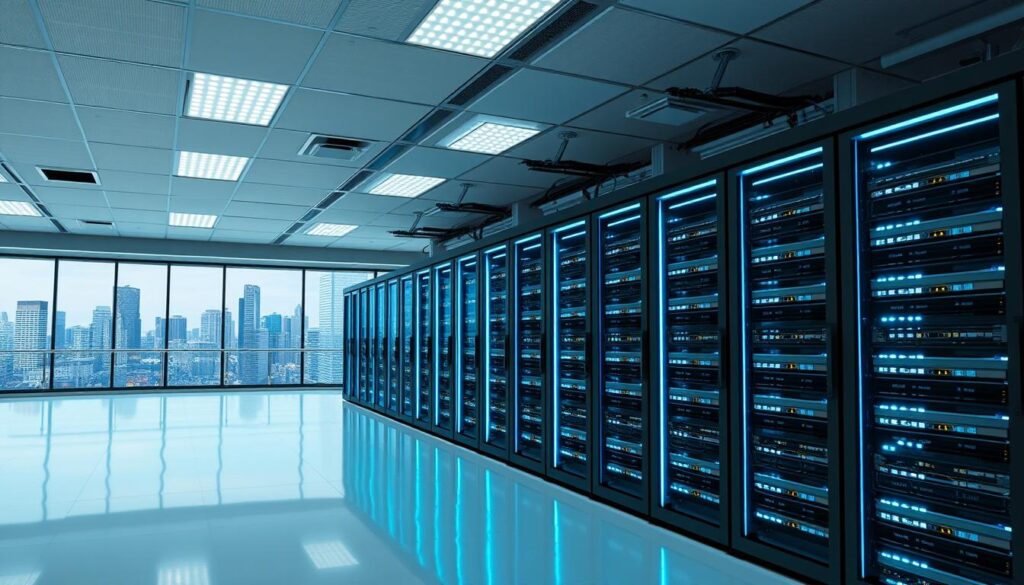
Building a dependable streaming stack means matching real hardware to real peaks, not marketing claims.
Dedicated vs. cloud: CPU, RAM, SSD/NVMe, and port speed
Choose a dedicated server when you need fixed CPU cores for transcoding, RAM for cache, and NVMe for VOD reads.
The cloud adds flexibility, but sustained high-throughput streaming can become costly compared with a dedicated server build.
Unmetered bandwidth, true 10–20Gbps ports, and Tier‑1 carriers
Target real 10–20Gbps ports that are not oversubscribed so you can handle big live events without throttling.
Providers like ServerMania and VSYS list unmetered ports and Tier‑1 carriers that reduce jitter and improve start times.
Global data centers, private networks, and route optimization
Spread workloads across multiple data centers to place streams closer to viewers and cut packet loss.
Private backbones and route optimization reduce latency and keep adaptive bitrate behavior stable.
Uptime, DDoS protection, and support SLAs to prevent buffering
Look for strong SLAs and real DDoS mitigation. WebCare360, VSYS, and ServerMania advertise high uptime and rapid mitigation.
“Validate that ‘unmetered’ means dedicated ports and confirm throughput at peak hours.”
| Item | Why it matters | Practical target |
|---|---|---|
| CPU / RAM / NVMe | Transcoding and cache for smooth playback | High‑core CPU, 64GB+ RAM, NVMe for VOD |
| Ports / bandwidth (gbps) | Throughput for concurrent viewers | True 10–20Gbps unmetered |
| Network / Carriers | Routing quality, latency, packet loss | Tier‑1 carriers, private backbones |
| Uptime & support | Minimize outages and quick incident response | 100%/99.99% SLA, 24/7 support |
If you prefer to skip provisioning, GetMaxTV provides a managed alternative with 24/7 support and instant activation for only $6.95/month. For channel specifics, see this guide to Canadian channels and regional sports coverage and access.
The true cost of building your own streaming server stack
Before you order equipment or services, map the real expenses you’ll face each month.
Hardware and monthly ranges for 1Gbps–20Gbps ports
Expect monthly bills from a few hundred to several thousand dollars. Providers list prices like $188–$869 per month for 1–10Gbps or higher. WebCare360 advertises uplinks up to 40gbps with 99.99% uptime, but those guarantees cost more.
Setup, configuration, and ongoing management
Setup takes days to weeks: OS hardening, middleware, DRM, EPG, monitoring, and documentation for your team. Ongoing work includes patching, scaling during spikes, alerting, and incident response.
Scalability, traffic spikes, and bandwidth risks
Scale means secondary machines, failover, multi-location deployments, and extra bandwidth. Bandwidth overage or shared-port contention can erase margins. Carefully review unmetered definitions before you order.
Reality check: running dedicated streaming infrastructure adds hidden costs—transit, DDoS protection, GPUs, and professional services.
If your needs are watching, not running systems, GetMaxTV at $6.95/month removes all infrastructure, gives instant activation, and includes 24/7 support—often the simplest, most cost-effective option.
Common pitfalls that hurt streaming quality

A single routing hiccup often shows up as endless buffering for your viewers.
Network congestion on oversubscribed ports causes stalls and bitrate drops during peaks. Without automatic re-routing across multiple Tier‑1 carriers, traffic spikes will hit throughput and force abrupt quality shifts.
Suboptimal routing adds latency and jitter. That inconsistent throughput confuses adaptive bitrates and leads to frequent playback changes that frustrate viewers.
Storage and VOD performance
Spinning disks create bottlenecks for on-demand video libraries. Moving catalogs to SSD or NVMe cuts read latency and speeds start times.
Faster storage improves overall quality and reduces buffering on heavy reads.
Support, provisioning, and compliance risks
Slow provisioning and limited support increase downtime when incidents happen at peak hours. Look for 24/7 SLAs and quick-response teams.
Compliance and takedown rules vary by jurisdiction; verify provider policies to avoid legal surprises.
“Choose services with proven route optimization, DDoS mitigation, and real SLAs — not just marketing claims.”
| Risk | Effect | Mitigation |
|---|---|---|
| Network congestion | Stalls, bitrate drops | Tier‑1 carriers, auto re-routing |
| Slow storage | Long start times | SSD/NVMe for VOD |
| Poor support | Extended outages | 24/7 fast-response SLA |
If you want to avoid these pitfalls, the simplest fix is to rely on a managed option that handles routing, storage, DDoS, and 24/7 support for you. For more on delivery and performance, see our streaming quality guide. GetMaxTV provides optimized delivery and always-on support so you can focus on watching, not running servers.
Meet GetMaxTV: A better choice than managing hosting yourself
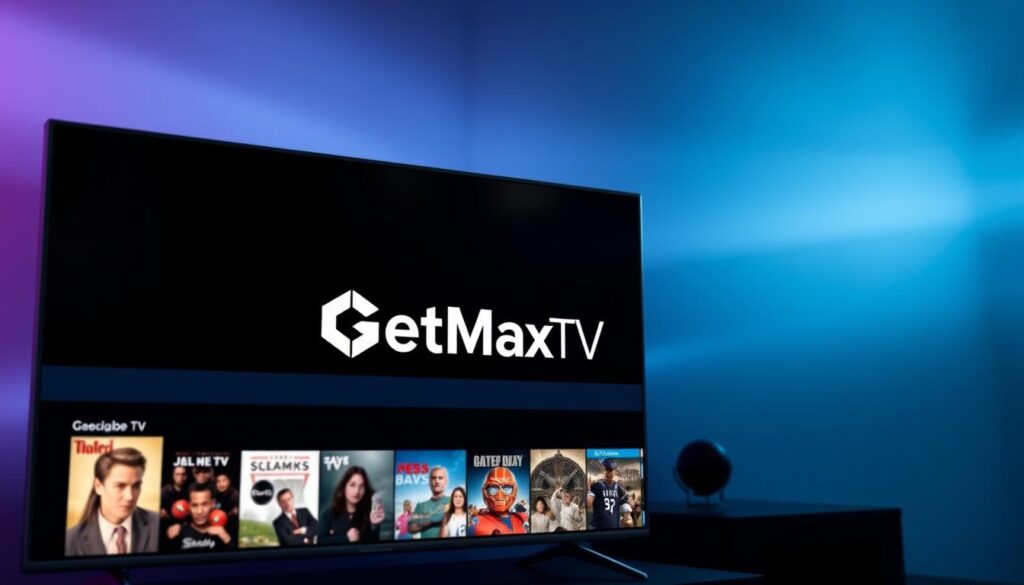
Imagine ordering a streaming plan that activates in two minutes and already includes every sport and blockbuster. GetMaxTV removes the infrastructure work so you can enjoy high-value content immediately.
All the content you want without the infrastructure burden
Stop wrestling with servers and start watching. GetMaxTV delivers more content than most DIY stacks: 19,000+ live channels and 97,000+ VOD titles, with all sports and movie packages included at no extra cost.
Optimized delivery for smooth, buffer-free viewing
The service is tuned for performance so you get consistent start times and fewer interruptions. Instant activation in about two minutes means you can order, setup, and access channels right away.
- Only $6.95/month — a fraction of infrastructure costs.
- No contract — stay because you love the experience.
- 24/7 friendly customer support to help when you need it.
- Universal compatibility across Firestick, Smart TV, Android, Mac, Windows.
Practical choice: If your needs are watching, not running systems, this service gives content and support without the hassle.
Want to learn how to pick the best provider? Read our guide on choisir le meilleur fournisseur for a quick checklist before you order.
Why GetMaxTV is the best value IPTV solution in the U.S.
GetMaxTV packs huge channel variety and simple setup into one low-cost plan. You get massive content without juggling apps or extra add-ons.
Massive library: 19,000+ live channels and 97,000+ on-demand titles cover news, sports, and movies so your whole household can find something to watch.
Unbeatable price and no commitment
Only $6.95/month with sports and movies included—no surprise upsells. There’s no contract, so you can cancel anytime and stay in control.
Fast activation and effortless setup
Order, complete a short setup, and you can access channels in about two minutes. The quick activation gets you watching tonight with zero fuss.
Always-on support and wide compatibility
Friendly, expert 24/7 support helps when you need it. Universal compatibility means the service works on Firestick, Smart TV, Android, Mac, Windows, and more.
“A smarter choice for your audience at home: more channels, less hassle, better price.”
Bottom line: If you value breadth, ease, and low risk, GetMaxTV delivers content, service, and support that make your final decision simple.
Universal compatibility and simple setup
Getting started is fast — the plan, the app, and your favorite channels come online in minutes.
You can access the service on almost any screen you own. This includes Firestick, major Smart TV brands, Android phones and boxes, and Mac or Windows laptops and desktops.
Works on Firestick, Smart TV, Android, Mac, Windows, and more
Works where you watch: the app supports popular devices and common media players. You won’t need extra hardware or complex configuration.
If you need Firestick-specific help, see our quick guide for setup and tips at Firestick setup.
Quick-start steps: order, setup, access
Order your plan, follow the short setup prompts, and you can access channels within minutes.
Clear guides walk you through app installation, login credentials, and simple configuration so video streaming and live streaming start reliably.
- Order the plan and get credentials instantly.
- Install the app on your device and enter login details.
- Access channels and test playback across screens.
Support whenever you need it: our team helps with unique device needs, alternative options, and guided setup 24/7.
| Step | What you do | Result |
|---|---|---|
| Order | Choose plan and complete purchase | Receive immediate access credentials |
| Setup | Install app and enter details | App configured for your device |
| Access | Open app and choose channels | Start watching live and on-demand |
| Help | Contact 24/7 support for guided setup | Personalized configuration and testing |
Performance without the hosting headache
Press play and enjoy premium streaming without touching any backend equipment. You get fast start times, steady video quality, and fewer interruptions—without buying hardware or booking data centers.
High-quality streaming experience without managing servers
Let the delivery handle tuning, scaling, and routing so you don’t have to. Our setup reduces latency and avoids buffering so streams start quickly and stay smooth.
What this means for you:
- Premium performance and quality without hardware, data-center bookings, or network tuning.
- No need to plan capacity for big games or premieres or scale servers during spikes.
- Skip maintenance nights and monitoring dashboards—spend your time watching, not managing.
Dedicated streaming server builds can be powerful, but they add complexity and risk from misconfigured ports or congested routes. Skip that work and get great results out of the box.
“When issues arise, 24/7 support steps in so you don’t have to troubleshoot the network or infrastructure yourself.”
Perfect for households that want top-tier media without IT overhead. For tips to avoid buffering and freezing, see guidance on avoid freezing and buffering.
Conclusion
Running a reliable streaming setup costs real money and constant attention. You’ve seen the requirements: true 10–20gbps links, unmetered bandwidth, Tier‑1 transit, multiple data centers, and uptime-backed SLAs from providers like ServerMania, VSYS, and WebCare360.
Between buying dedicated hardware, SSD for VOD, configuration, and ongoing monitoring, server hosting becomes a full-time task. Traffic spikes, capacity planning, and DDoS protection all affect the audience experience and your costs.
If your priority is watching great media rather than managing infrastructure, GetMaxTV is the practical choice. For $6.95/month you get 19,000+ live channels, 97,000+ VOD, universal compatibility, instant activation in about two minutes, and friendly 24/7 support.
Ready to start? Order now at watchmaxtv.com to setup your account and access channels in minutes. Want to try first? Get a no‑obligation free trial via WhatsApp: message us. For industry context, read this streaming piracy analysis.
FAQ
What does an IPTV streaming server actually do?
It receives live or on-demand video, transcodes or packages it, and delivers streams to your audience over the network. The system handles stream routing, bandwidth allocation, and session management so viewers get consistent playback on devices like Firestick, Smart TV, Android, Mac, and Windows.
What are the core components I should care about?
You need reliable hardware (CPU, RAM, SSD/NVMe), fast network ports measured in Gbps, efficient software for encoding and middleware, and optimized routing through Tier-1 carriers. These elements together affect video quality, latency, and the user experience.
Why do Gbps and latency matter for video quality?
Higher port speeds let you serve more concurrent streams without congestion. Low latency reduces buffering and improves live events. Both influence audience retention and perceived performance, especially during traffic spikes or popular broadcasts.
Should I choose dedicated servers or cloud for streaming?
Dedicated streaming servers give predictable performance, full hardware control, and better port speeds for high-throughput needs. Cloud can scale quickly but may introduce variable network paths and higher costs at sustained bandwidth levels. Choose based on traffic patterns and budget.
What is unmetered bandwidth and do I need true 10–20Gbps ports?
Unmetered means no per-GB billing up to the port limit; true 10–20Gbps ports provide sustained throughput for large audiences. If you stream many HD or 4K channels, those ports and connections to Tier-1 carriers are essential to avoid throttling and overage charges.
How do global data centers and private networks help delivery?
Multiple data center locations reduce distance to viewers, lowering latency. Private networks and route optimization give consistent throughput and faster failover during outages, which keeps playback smooth across regions.
What uptime and protection should I expect to prevent buffering?
Look for high SLAs (99.9%+), DDoS protection, and 24/7 support. These measures minimize downtime, mitigate attacks, and resolve issues quickly so viewers don’t experience interruptions or buffering.
How much does it cost to build a streaming infrastructure?
Costs vary by port speed and hardware. Entry-level setups with 1Gbps can be modest, while true 10–20Gbps dedicated solutions and SSD/NVMe arrays raise monthly expenses. Factor in setup, middleware, licensing, and ongoing management when budgeting.
What setup time and management does a streaming stack need?
Provisioning dedicated hardware can take hours to days. Configuration of transcoders, middleware, CDN or routing, and security takes additional time. Ongoing tasks include monitoring, updates, and scaling for traffic surges.
How do I handle scalability and traffic spikes?
Design for headroom: use higher port speeds, autoscaling where possible, and caching or CDN layers for VOD libraries. Monitor usage closely to avoid bandwidth overage risks and plan capacity upgrades before major events.
What common pitfalls hurt streaming quality?
Network congestion, poor routing, insufficient port speed, and storage bottlenecks can cause buffering. Limited support, slow provisioning, and compliance gaps also harm reliability and viewer trust.
How important is SSD performance for VOD libraries?
SSD or NVMe storage reduces seek times and improves concurrent VOD delivery. For large libraries and many simultaneous viewers, fast storage prevents playback stalls and speeds up access to popular titles.
Why choose a managed solution like GetMaxTV instead of DIY?
A managed provider removes the infrastructure burden. They handle the network, bandwidth, middleware, and support so you focus on content and audience. That reduces setup time, operational risk, and compliance headaches.
What content and pricing does GetMaxTV offer?
GetMaxTV provides a large content library with live channels and VOD, full sports and movie access, and a simple price point. Plans include instant activation, no long-term contract, and 24/7 customer support from an expert team.
Which devices does the service support and how quick is setup?
The solution works on Firestick, Smart TV, Android, Mac, Windows, and more. Typical quick-start steps are order, simple configuration, and access—often activating in minutes so you can start streaming fast.
What kind of network and technical support is available?
You should expect 24/7 live support for provisioning, troubleshooting, and optimization. A responsive team helps with setup, scaling, and performance tuning to maintain a buffer-free viewing experience.
How do I reduce latency and improve viewer experience?
Use geographically distributed data centers, private routing with Tier-1 carriers, and adequate port speeds. Optimize encoding settings and deploy caching for VOD to lower latency and reduce buffering for live audiences.