Have you ever wondered which playlists actually give you reliable local news, weather, and entertainment without the guesswork?
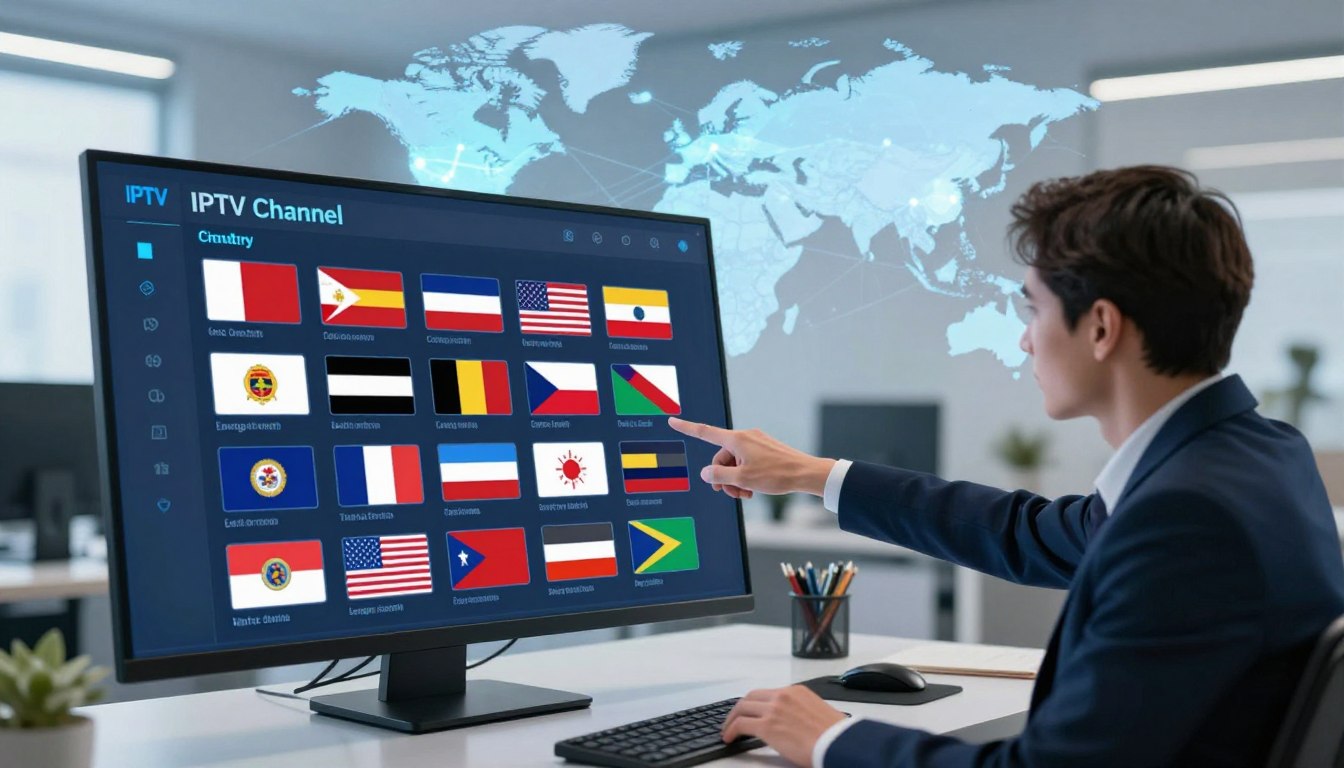
When people search for an “iptv channel list by country,” they usually want local-style streams—live news, regional shows, and sports that feel like home. You want clarity, not random lineups that disappear overnight.
This short guide explains the main types of offerings: a public playlist, a device-branded free lineup, or a paid subscription. Each behaves differently for stability and what channels you get.
You’ll learn how playlists and apps work, how to browse by region, and how to load a playlist on common devices. The focus is practical and safety-minded so you make smart choices instead of chasing promises that seem too good to be true.
If you’re in the United States, local news and weather often come from legal free streaming services or curated repositories. Consider a more consistent option like GetMaxTV later if you want steady performance.
Key Takeaways
- You’ll see three main playlist types: public, device-branded, and paid subscriptions.
- Understand how playlists load on common devices to avoid dead links and buffering.
- Focus on legal, safe sources and practical setup steps for reliable streaming.
- U.S. viewers often prefer local news and weather from trusted free streams.
- Consider a paid service like GetMaxTV for more consistent performance.
What “IPTV Channel Lists” Really Mean (and Why Country Matters)
A playlist is less a video file and more a roadmap that tells your app where to find live feeds. It usually comes as an M3U or M3U8 file that lists URLs; the file does not contain the video itself. You load that file into a player and the app asks those addresses for streams.
How it works in plain English
Think of a playlist as a directory of links your player can follow. When a link works, you watch the stream. When a link breaks, the entry still exists but the stream is gone.
Why your country affects what plays
Local rights and geo-restrictions often decide which channels actually load where you live. A feed that works in one of the countries might be blocked in the United States because of licensing or regional agreements.
Public playlists vs. paid services
Public playlists are often community-maintained. They can be great for discovery but may have many broken links and fast changes. Paid services typically offer support, better uptime, and organized menus for daily viewing.
Legal clarity: the playlist format is neutral. Legality depends on the source the links point to. Free shared playlists and ad-supported streams are not the same—do your own checks before you rely on any feed.
When you want a steadier option, consider a stable paid service like stable paid service. Many users start with public playlists for testing and then move to paid options for everyday viewing.
IPTV M3U Playlists, M3U URLs, and the Apps That Play Them
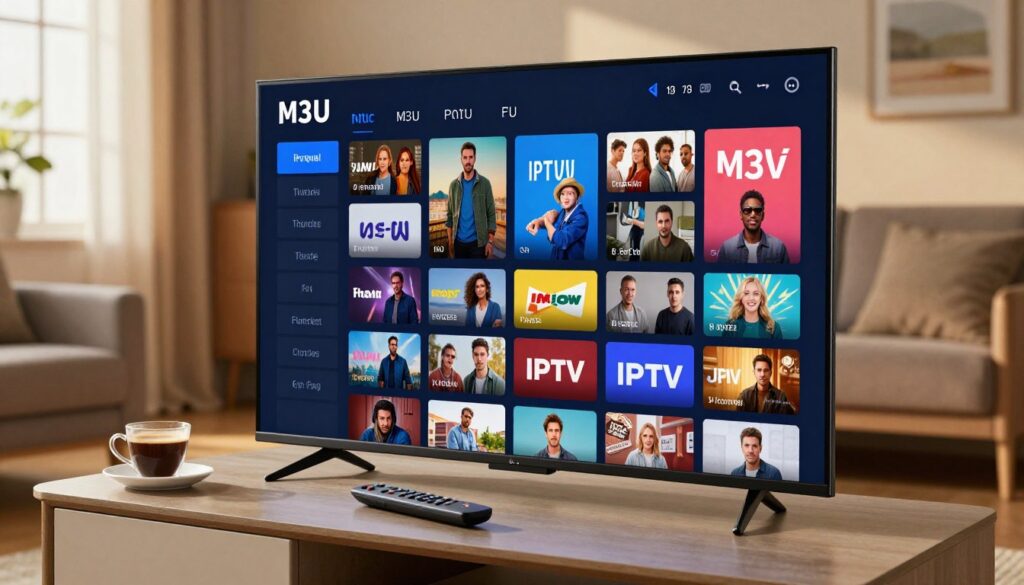
An M3U or M3U8 file is a plain-text playlist that points your player to streams. It lists URLs and names, but it does not carry the video itself. You load the file or a playlist url and your player reads the addresses to fetch each feed.
Loading a local file vs. using a playlist URL matters. A local file sits on your device and is static. A playlist url is hosted and can be updated by the provider without you downloading a new file.
Common apps you can use include IPTV Smarters for subscription-style setups, TiviMate for a polished TV interface, VLC for quick testing, and Kodi if you want deep customization.
How a player handles a playlist
Your iptv player fetches the m3u, parses names and groups, then tries each stream when you select it. If a link is dead, the player shows an error or skips to the next entry.
EPG and why it helps
An electronic program guide (EPG) usually comes as a separate XMLTV feed. EPG adds now/next info, schedules, and makes browsing far less guesswork.
| App | Best for | EPG support | Notes |
|---|---|---|---|
| IPTV Smarters | Subscriptions | Yes | Xtream-style logins supported |
| TiviMate | TV boxes | Yes | Great UI for remote control |
| VLC | Quick tests | Limited | Fast, lightweight player |
| Kodi | Power users | Yes | Highly customizable with add-ons |
Free public playlists often lack EPG. Projects like IPTV-ORG tend to provide better EPG coverage, which makes browsing unfamiliar streams easier. For more on structured m3u playlists, see this complete guide, or explore curated free m3u playlists at this resource.
IPTV Channel List by Country: How to Find Your Local Channels
Start by narrowing the region you need; that keeps playlists manageable and more relevant. Use the community-maintained IPTV-ORG feed to pull a regional m3u url—Americas, Europe, Africa, or Asia‑Pacific—so you only load what matters.
Quick, practical steps
- Copy a playlist url (for example, https://iptv-org.github.io/iptv/index.m3u) and paste it into your iptv player.
- Filter by region or category if the file supports groups and an EPG.
- Test US-friendly public playlists for local-style streams: Local Now, Xumo, and The Roku Channel.
Device-branded playlists (LG Channels, Xiaomi TV+, Fire TV) often offer mixed-country content and easy setup on smart tvs. Expect broken links, rotating entries, and missing categories.
“Scan unfamiliar files or URLs with VirusTotal before loading; scans catch obvious flags but don’t guarantee legality.”
Best fit: use IPTV-ORG for breadth and EPG, US ad-supported playlists for familiar local entertainment, and device-branded feeds for mixed browsing. For a practical public playlist starter, see this public playlist guide.
How You Load a Playlist on Your Devices (Smart TVs, Streaming Sticks, Mobile, and PC)
Start by choosing the method you prefer — a simple m3u url paste or an account-style login.
Two common setup paths:
- Paste a playlist url into a compatible player app. This is fast and works well for testing.
- Use an M3U Plus / Xtream-style account login in apps like IPTV Smarters for a managed experience.
What changes with an account login
Logging in with Xtream API usually gives smoother EPG, fewer manual reloads, and easier channel grouping inside the app.
Device-specific tips
- Smart TVs and streaming sticks: install a dedicated player app (TiviMate or IPTV Smarters) and paste the m3u url or add your credentials.
- Mobile: most apps accept a playlist url or account; test on your phone before the TV.
- PC: use VLC to verify a raw m3u playlist quickly.
“Check for extra spaces in the url fields and don’t mix the playlist and EPG links — those small mistakes cause most sign-in issues.”
Multi-device basics: services limit simultaneous streams. If you exceed that, sign-ins can fail. Verify your account, test the url in another player, and check subscription status before you contact support. For step-by-step sync tips, see this multi-device setup guide.
Safety, Legality, and Common Playback Issues (Buffering, Blocks, and Quality)

Before you press play, it helps to know what could go wrong and why some streams fail.
Legality in plain English
An m3u file or playlist url is just a format. The legal question depends on where the links point. If streams are licensed, you’re fine. If not, the links can lead to copyrighted content uploaded without permission.
Simple safe-decision checklist
Prefer official or ad-supported sources when possible. Be cautious with random shared m3u playlists and ignore “thousands live” claims—those don’t prove rights or reliability. For a legal overview, consult this legal services guide.
VPNs, buffering fixes, and common causes
A VPN helps protect privacy and can sometimes bypass geo-blocks or reduce ISP throttling. Use a reputable provider and test performance before relying on it.
Fix buffering by these steps in order:
- Check your internet speed for HD or 4K streams.
- Switch to Ethernet or reduce Wi‑Fi interference.
- Try a different stream in the same playlist to test server load.
- Adjust player buffer settings or use a lighter app like VLC.
“Free streams often falter during big sports events because servers become overloaded.”
| Problem | Likely cause | Quick fix |
|---|---|---|
| Frequent buffering | Slow ISP, Wi‑Fi interference | Test speed, use Ethernet, lower resolution |
| Stream works in one app only | Player decoding or EPG mismatch | Test in VLC vs IPTV Smarters, update app |
| Listings wrong | EPG does not match playlist | Reload correct electronic program guide or source |
| Streams drop during events | Server overload | Try alternate provider or paid service |
If links fail across multiple devices and players, the problem is the playlist, not your app. For curated m3u playlists with better upkeep, see this resource: curated m3u collection.
Conclusion
Bottom line: know what a playlist does and choose sources that match your needs for reliability, legality, and local access.
Start with reputable repositories and known free options to learn how urls and feeds behave. Free playlists can help you discover useful streams, but they often have broken links and inconsistent organization that affect your viewing experience.
Your results depend on geo‑availability and whether a provider actively maintains the feeds. If you want steadier uptime and a cleaner menu, consider moving to a managed service.
For a neutral option that offers more stability than public playlists, see the service guide and check GetMaxTV at WatchMaxTV when you’re ready to upgrade your setup.
FAQ
What does an IPTV channel collection mean and why does the country matter?
It means a curated set of live streams and on-demand feeds delivered over the internet. Country matters because broadcast rights, geo-restrictions, and regional content deals determine which feeds you can legally access and which streams appear in regional playlists.
What is an M3U or M3U8 playlist and how is it used?
An M3U/M3U8 file is a plain-text playlist that points your player to media streams via URLs. You load that URL into a compatible app or player to play the listed streams; the format itself is neutral, but the links it contains determine legality and reliability.
Which apps work best for playing M3U playlists on smart TVs and devices?
Popular options include IPTV Smarters, TiviMate, VLC, and Kodi. Choose one that supports EPG, playlists and the streaming protocols in your links, and that runs smoothly on your smart TV, Fire TV Stick, Android box, phone, or PC.
What is an EPG and why should you look for playlists that include it?
EPG stands for Electronic Program Guide. It supplies program schedules and descriptions so you can see what’s on now and next. Playlists with EPG give you a TV-like experience and make browsing thousands of streams easier.
How do I find local feeds for the US, Europe or other regions?
Start with reputable public repositories and region-focused public playlists. For the US, look for services and channels offered by Local Now, Xumo, and The Roku Channel. For broader coverage, open-source collections often organize streams by region (Americas, Europe, Africa, Asia-Pacific).
Are free playlists reliable and what should I expect?
Free playlists can be hit-or-miss. Expect broken links, rotating streams, inconsistent categories, and occasional quality drops. Free lists are great for discovery but often require frequent updates or replacements.
How can you validate a playlist before loading it on your device?
Scan downloaded files with reputable antivirus software and inspect URLs for suspicious domains. Test a small sample of streams in a secure player on a secondary device before adding a playlist to your main setup.
How do you load an M3U URL versus using an account-based app login?
Loading an M3U URL usually means pasting the playlist link into a player’s “load URL” or “add playlist” field. Account-based setups like M3U Plus or Xtream-style require credentials (server/user/pass) entered into apps such as IPTV Smarters for authenticated access.
Can you watch the same streams on multiple devices simultaneously?
That depends on the service. Public playlists are typically unrestricted, but subscription services may limit simultaneous streams per account. Also check your router, bandwidth, and the app’s sign-in rules to avoid playback conflicts.
Is using playlists legal and how can you stay on the right side of the law?
The playlist format is legal, but some links point to copyrighted content distributed without permission. Use reputable, licensed providers and region-authorized channels to avoid legal risks. When in doubt, choose official apps and services that hold rights for your area.
Why should you consider a VPN for streaming and what does it help with?
A VPN helps protect your privacy and can bypass some geo-blocks or ISP throttling. Use a trustworthy VPN provider that supports streaming, keep location settings consistent, and avoid breaking service terms of use.
What causes buffering, poor quality, or playback errors and how do you fix them?
Common causes include slow internet speeds, Wi‑Fi interference, overloaded source streams, or incorrect player settings. Improve results by using wired Ethernet when possible, testing connection speed, switching to lower bitrates, or selecting alternative streams.
How do device-specific branded channel offerings compare to public playlists?
Device-branded services like LG Channels, Xiaomi TV+, or Amazon Freevee provide curated, often licensed content with better stability and support. Public playlists offer wider variety and experimentation but usually lack guaranteed uptime and customer support.
What should you look for in a playlist to match your viewing habits (sports, news, movies, kids)?
Check the playlist metadata or folder names for categories such as sports, news, movies, and kids. Look for EPG support and read community notes about stream reliability. If you need premium sports or movie rights, prefer licensed services to ensure consistent access.
How often should you update playlists and players to maintain a good experience?
Update playlists as often as you notice broken streams—weekly or monthly for public lists is common. Keep your player apps and TV firmware current to benefit from performance fixes, codec support, and security patches.