

Looking for a smarter way to watch Indian movies, shows, and live sports from the United States? Many people type similar searches when they want a single app or service that combines live channels with large on-demand libraries.
In this article we compare two paths: traditional streaming apps like Hotstar and subscription-based services that deliver live channel lineups. Which is best depends on whether you want live channels, an on-demand library, or both.
Expect a clear, practical comparison: definitions, an IPTV vs app breakdown, evaluation criteria, sample apps from WebCatalog, watch-party add-ons, device compatibility, and a legal and safety checklist. We’ll mention GetMaxTV as one example readers may review, without promising specific channels or events.
Trust matters: legality, privacy, and stable playback should weigh as much as the size of the entertainment catalog when you choose a service.
Key Takeaways
- Decide if you need live channels, on-demand content, or both before choosing.
- We’ll compare services side-by-side and offer a practical decision checklist.
- Regional licensing affects what titles and events you can watch.
- Device support, privacy, and playback stability matter as much as catalog size.
- GetMaxTV is mentioned as an example to review later in the article.
Why US Viewers Look for Indian Streaming Alternatives Right Now
U.S.-based users often seek services that let them stream Indian shows, movies, and live sports on familiar devices.
Many cord-cutters want native-language channels and the latest releases while living abroad. Others need reliable playback and an intuitive app experience.
Licensing and access change quickly: distribution deals and regional rights affect what viewers can watch from the United States.
“Availability shifts with licensing windows and regional pull-through, so predictability matters as much as content.”
- Families need multiple profiles and device support, so account limits and cost are practical concerns.
- Some viewers prioritize live sports; others focus on movies and series. The best fit depends on household needs.
| Common U.S. Scenario | Primary Need | Practical Consideration |
|---|---|---|
| Cord-cutting households | Reliable streaming service | Cost and device compatibility |
| Language-focused viewers | Regional channels and shows | Catalog range and subtitles |
| Sports fans abroad | Live matches and replays | Latency and rights coverage |
| Multi-device families | Profiles and simultaneous streams | Account limits and price tiers |
Next, we’ll define what a Hotstar-like option means in the U.S. and compare channel-based lineups versus app-based libraries.
What “Hotstar Alternative” Means in the United States
Finding a service that matches the mix of on-demand titles and live channels can be tricky for viewers in the U.S.
Availability and catalog differences
“Hotstar-style” here means any platform that can replace part or all of the experience: regional shows, movies, and family-friendly viewing plus sports.
Catalogs change by country because rights are negotiated regionally. A title available elsewhere may not be offered in the United States.
Regional restrictions are licensing and distribution limits, not simply a technical block. Choose services that clearly operate legally in the U.S.
Live sports vs. on-demand shows and movies
Live sports need low latency and rock-solid reliability. If live matches matter, prioritize services built for real-time delivery.
By contrast, on-demand focuses on library depth, recommendations, and playback features. Some viewers prefer a clean demand platform with originals. Others want a broad channel lineup that mimics TV.
| Viewer Need | Best Fit | Key Feature |
|---|---|---|
| Real-time match viewing | Channel lineup | Low-latency streams |
| Series and curated movies | On-demand platform | Deep library & recommendations |
| Family and mixed use | Hybrid or multi-app | Profiles and device limits |
- Tip: “Video streaming” can mean app libraries or live channel models. We’ll compare those models next.
IPTV vs. Hotstar-Style Apps: The Core A vs. B Comparison
Choosing between channel-style lineups and single-app libraries starts with how you prefer to find content. One model feels like traditional television; the other works like a searchable video store you open when you want a show.
How channel-based streaming works compared to app-based video streaming
Channel-style delivery typically streams a lineup of scheduled channels through a player app. It resembles flipping through live channels rather than searching a catalog.
By contrast, a streaming app curates an on-demand library of shows, movies, and originals inside one branded experience. Users search, queue, and binge within the app.
What “live channels” means vs. “on-demand platform” libraries
Live channels are scheduled programming: sports broadcasts, news, and linear entertainment that airs at set times.
On-demand libraries let you click an episode or movie on demand. That model prioritizes catalog depth, recommendations, and resume playback.
Where each option fits for sports, series, and family viewing
Channel-style services often suit family living rooms and sports fans who want television-like browsing. They allow users to surf and catch live events.
Streaming apps work well for viewers focused on specific series, binge sessions, or single-brand originals. Both models depend on bitrate, buffering, and device performance.
| Feature | Channel-Style Lineup | Streaming App Library |
|---|---|---|
| Primary experience | Linear television-style viewing | Searchable on-demand catalog |
| Best for | Live sports and casual channel surfing | Binge-watching series and curated movies |
| Key dependency | Stable player and reliable live bitrate | Catalog depth and app UX |
| Device notes | Needs a compatible player and good device support | Works best with up-to-date app and casting options |
iptv india hotstar alternative: When IPTV Is the Better Fit
If your top priority is a broad set of live channels, a channel-focused service often fits better than a single-brand app.
Users who want a wider range of live channels and television-style viewing
Television-style grids let you surf scheduled programming, keep background TV on, and please multi-generation households.
This model reads like traditional TV: channels, lineups, and familiar browsing instead of deep catalog searches.
Homes that stream across multiple devices
Households with phones, tablets, and TVs need stable playback and easy sign-in across devices.
Look for services that list supported devices and offer clear account limits to avoid playback surprises.
Sports fans prioritizing live games and match access
When live sports are the goal, viewers value predictable start times, low buffering, and reliable access to games.
Confirm coverage before switching and prefer providers with trial options and responsive support.
- Check clear channel descriptions and current lineup details.
- Try short trials or money-back options when available.
- Verify device compatibility and simultaneous stream limits.
| Need | What to check | Why it matters |
|---|---|---|
| Wide range of channels | Lineup list and categories | Ensures the service carries the channels you watch |
| Multi-device home | Device support & stream limits | Prevents sign-in and playback conflicts |
| Live games & sports | Latency, trial, and support | Reduces buffering and timing issues |
For a closer look at sports-focused channel lineups, review the premium sports lineup before you decide. Remember that rights and access change, so confirm current availability with any provider.
When a Hotstar-Like Streaming Platform Is the Better Fit
Choosing one branded app makes sense when you want a predictable, polished viewing experience across devices. A single platform centralizes search, recommendations, and saved progress so families can jump back into a favorite episode without friction.
People who want a single-brand app experience
Consistent navigation and unified account settings reduce setup time. Parental controls, subtitle options, and language tracks tend to be easier to find in a well-built app.
Viewers focused on specific shows, movies, or originals
If you already know which series or films you watch, a streaming app can deliver better discovery and personalized rows like “Continue Watching” and “Because you liked.” This speeds up finding new episodes and keeping family profiles organized.
- Polished UX and reliable playback across supported devices.
- Robust metadata, search, and resume features for binge viewing.
- Clear tradeoff: depth in one brand may mean fewer live channel options.
Before you switch, compare services using consistent criteria rather than marketing claims—start with catalog, device support, and price. For context on how platforms differ by region, see this OTT platforms comparison.
Key Comparison Criteria to Use Before You Switch
Before you switch services, use a clear checklist to compare what really matters for day-to-day viewing. Small checks now can save time and money later. Use these headings to test any provider against your household needs.
Content range
List your must-have regional programming, then confirm the service offers those movies, shows, and series consistently. Check whether on-demand rows update often and if subtitles or multiple language tracks are included.
Sports coverage
For sports coverage, verify live sports schedules and the availability of replay. Confirm the provider handled big events in the past without heavy buffering. Look for trial periods or short-term passes to test match-day reliability.
Video quality and player stability
Don’t rely on marketing tags like “HD” or “4K” alone. Test bitrate consistency during peak hours and watch how the player handles start/stop, seeking, and audio sync. A smooth player matters more than raw catalog size.
Device support
Confirm supported platforms for your setup: Android device, Android TV, web browsers, and casting. Make sure the android app and browser player offer the same features and that simultaneous streams meet your household’s needs.
Account sharing and cost transparency
Clarify household access vs. password sharing and follow the provider’s terms for security. Check what the price includes—channels, VOD, and number of simultaneous streams—and watch for promo-to-regular price changes.
- Quick checklist: Must-have titles, live sports test, video/player trial, device compatibility, account rules, and final price review.
- Trustworthy caution: Avoid services with unclear licensing or unstable streams; those cause playback and legal headaches.
Streaming Apps People Use as Hotstar Alternatives (Examples From WebCatalog)
Mainstream services often act as practical stand-ins for viewers who want broad entertainment in a single, reliable app.
Netflix is best for households that value deep series catalogs, solid recommendations, and consistent playback across devices. Pick Netflix when binge-watching and curated rows matter more than channel-style viewing.
Movistar+ (Android TV) shows how a platform can blend app convenience with TV-style controls. On Android TV it offers live TV functions like record and rewind, which appeal to users who want a traditional remote-driven experience inside an app.
M6+ follows a replay-first model: think catch-up viewing on phones and tablets. This app is useful when you often “miss it live” and need easy on-demand replays of recent shows.
Map these examples to your habits: choose Netflix for series depth, Movistar+ for live controls, and M6+ for mobile replay. For more Android-focused picks, see these five essential Android apps that users install to enhance their viewing setup.
More App-Based Alternatives Listed in WebCatalog (What They’re Best For)
Think of these WebCatalog entries as category examples that help you match specific viewing needs to a service. Use them to build a mix that fits your household rather than chasing hype.
ViX — Spanish-language movies and series
ViX focuses on Spanish-language movies and series. It’s useful for households that blend regional tastes with mainstream viewing. Check subtitle options and catalog depth before relying on it as a primary source.
Jawwy TV — unlimited-access style streaming platform
Jawwy TV markets an “unlimited” model. Verify what unlimited means: device count, simultaneous streams, ad load, and catalog scope. That clarity affects daily usability.
ARD Mediathek (Android TV) — public television programming
ARD Mediathek is a broadcaster-backed app for German public television. Public apps often offer reliable news, documentaries, and scheduled shows without the studio-driven catalog shape.
+SBT — single-network channel app
+SBT represents a single-network channels approach. Choose this when you want one network’s live lineup rather than a broad platform bundle.
Bottom line: these apps can complement a channel-based setup or replace parts of your viewing mix depending on whether live channels or curated libraries matter most. Evaluate by language, device rules, and what each service actually streams.
Niche and Regional Platforms Worth Knowing
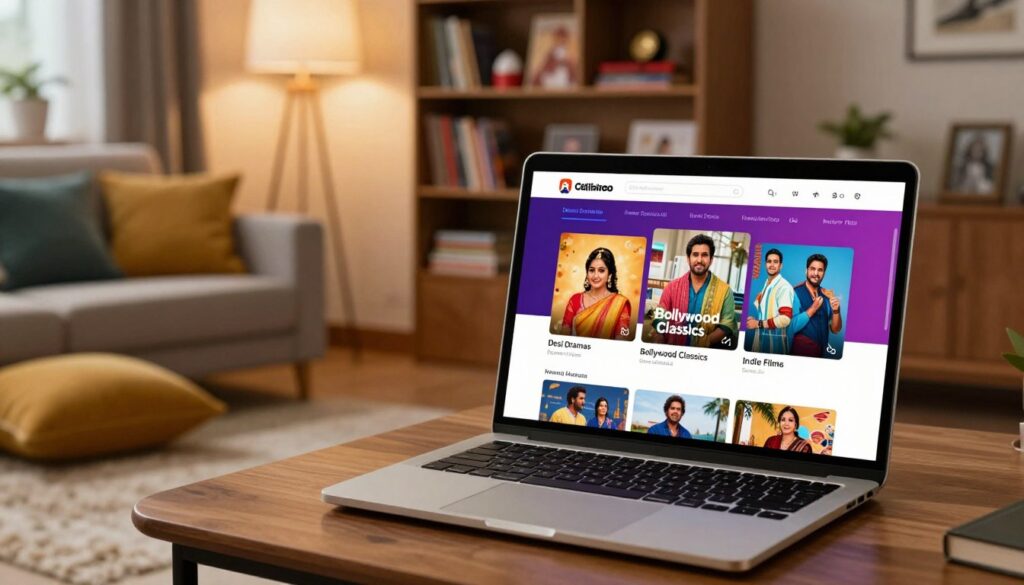
Specialized platforms often fill gaps mainstream services leave, especially for regional shows and niche sports. These services can carry specific programming or coverage that larger apps may not prioritize. Confirm availability for U.S. viewers before subscribing.
Tapmad TV
Tapmad TV positions itself around ad-free live sports and HD entertainment. It is useful for viewers focused on live matches and high-quality video. Verify device support and regional availability for your country.
Tamasha
Tamasha offers an affordable, multilingual catalog. It can suit households that want a wider range of languages and regional programming rather than a single-language library.
mjunoon.TV
mjunoon.TV is a VOD-first demand platform. Choose it if you prefer on-demand viewing over scheduled channels and live lineups.
ELTA.TV
ELTA.TV blends sports, dramas, and global channels, illustrating a hybrid approach. It shows how one platform can mirror the breadth of channel-style services inside a single app.
Tip: Evaluate these options using your checklist: content range, sports reliability, video quality, and cost transparency before you commit.
Watch Parties as a Feature Add-On (Flickcall)
What many viewers need is a simple, high-quality way to watch favorite shows with friends in sync. A watch-party tool can layer onto your existing accounts and avoid the need for another subscription.
How Flickcall works across supported platforms
Flickcall is a Chrome extension that lets users create a shared session after a video starts playing. Install the extension, pin it to the Chrome toolbar, begin playback, then click the Flickcall logo to create a watch party.
Copy the invite link and send it to friends. Each participant streams from the original provider, keeping native quality instead of a compressed screen-share feed.
Key services Flickcall supports
Supported platforms include: Netflix, Disney+, JioHotstar, Hulu, Prime Video, YouTube, Zee5, Sony Liv, and HBO Max/MAX.
Why synced playback often beats screen sharing
With synced playback each person uses their own account and bandwidth. That preserves resolution and avoids the lag and artifacts common in screen-share sessions.
Practical note: the Flickcall logo appears briefly on the player UI. Pinning the extension makes launching parties quicker. Mobile browsers rarely support extensions; some users try the Kiwi browser on Android as a workaround.
Privacy and connection basics
Flickcall uses peer-to-peer connections by default. Video calls and chats are end-to-end encrypted. If direct P2P is blocked, encrypted server routing handles the session temporarily.
| Step | Action | Why it matters |
|---|---|---|
| Install & Pin | Add Flickcall to Chrome and pin to toolbar | Quick access to start parties |
| Start Playback | Open your chosen streaming title and play | Ensures synced playhead across participants |
| Create Party | Click Flickcall logo and copy invite link | Simplifies inviting friends across states |
| Join | Guests open link and join the session | Each member streams at native quality |
Device Compatibility and Setup Considerations for US Users
Before you subscribe, verify how each device handles playback and controls — a phone, an Android TV, and a laptop feel very different in daily use.
Android app vs. Android TV vs. browser-based viewing
Using an android app on an android device is handy for mobile viewing and quick starts. Phones and tablets often auto-adjust bitrate but can be limited by battery and CPU.
An Android TV client usually offers a remote-friendly UI and more stable playback for living-room viewing. Browser-based streaming on a laptop gives flexible tabs and extensions but can vary by browser and OS.
Note: mobile and tablet browsers rarely support extensions; some users try the Kiwi browser on Android as a workaround for desktop-only tools like Flickcall.
What “free download” claims can mean
Marketing that says “free download” may mean the installer is free while content needs a subscription or in-app purchase. Check whether a free app includes ads, geo-restrictions, or account requirements.
When searching for downloadalternatives, use official app stores or reputable directories. Avoid random APK sites; “freea free” offers that look too good to be true often bring unclear licensing or security risks.
| Use case | Common device | Why it matters |
|---|---|---|
| On-the-go viewing | Phone / tablet | Good for short sessions; watch for data and battery |
| Living room | Android TV | Stable playback, remote control, better bitrate |
| Desktop use | Laptop / browser | Best for extensions and multi-tasking; check browser support |
Live Sports Focus: What to Evaluate Before Choosing Any Service

Live sports demand a different checklist than on-demand shows because timing and stability matter more. Viewers notice audio sync, delays, and missed key moments. That makes choosing a sports-ready streaming option more critical.
Latency and stream reliability during live matches
Latency means how far a broadcast lags real time. Viewers often spot this as being behind social media alerts or delayed group-chat reactions. Channel-style lineups and apps can differ in delay, so test feeds during a live game to see real-world lag.
Reliability covers buffering and recovery. Try trial periods during peak matches to judge how quickly a service restores a dropped stream. Watch for stable bitrate and consistent audio—sports fans notice glitches faster than movie viewers.
Access to leagues, events, and time-zone-friendly replays
Rights determine what games a provider can legally show. Confirm that the specific events you care about are included on the day you need them, not just listed generally. Clear channel and match listings reduce surprises.
For U.S. viewers, replays are vital when matches air overnight. A good service makes rewatching easy with time-zone-friendly VOD and highlight clips. Also evaluate the player: fast channel switching, reliable rewind, and clean audio make watching games far less stressful.
For practical setup tips on match-day viewing, see this guide on how to watch sports.
Legal and Safety Checklist for Choosing an IPTV Subscription
A careful check of licensing, privacy, and billing reduces the chance of surprise interruptions or sudden takedowns.
What “legal” typically implies for content rights and access
Legal iptv at a consumer level means the provider holds distribution agreements or licenses that let it offer the shows, channels, or replays in your region.
Look for clear business names, published terms, and reachable support contacts. Those details often indicate a legitimate streaming service.
Privacy and account security basics
Use strong, unique passwords and enable two-factor authentication when available.
Avoid reusing the same email/password combos and be cautious about apps requesting unnecessary permissions.
Red flags to watch for
Promises of a “free app” that unlocks premium channels with no clear rights are a common risk pattern.
Unclear licensing, inconsistent billing, or frequent stream outages often precede sudden content loss.
| Check | What to look for | Why it matters |
|---|---|---|
| Licensing claims | Specific channel lists and regional rights statements | Confirms lawful access and reduces takedown risk |
| Business transparency | Company name, contact, and clear billing | Helps resolve issues and signals accountability |
| Privacy practices | Privacy policy, secure login, minimal permissions | Protects personal data and account safety |
| Service stability | Trial options, uptime info, responsive support | Shows whether video streaming works reliably on match day |
For a deeper legal overview and practical checks, read this legal guide and compare provider reputations against curated lists like best IPTV options. Stay pragmatic: choose services that are transparent, protect privacy, and deliver stable access to the content you value.
How GetMaxTV Fits Into the IPTV Option Set
When live channels and match-day reliability are your top concerns, services like GetMaxTV often appear on shortlists.
Positioning: Think of GetMaxTV as one option among channel-style providers for viewers who prefer scheduled lineups and live sports over single-app on-demand libraries.
Where to review GetMaxTV’s offer and what to check
Visit the main offer page to confirm what content access is included, which devices are supported, and the exact plan terms. For a direct look, check: https://watchmaxtv.com.
On the offer page, look for clear device lists, trial or refund details, and any statements about licensing and support. These elements indicate whether the platform operates transparently.
Contextual next step for readers comparing options
Compare GetMaxTV using the same checklist we used earlier: content range, video quality and stability, device support, household access rules, and cost transparency.
Reminder: availability and rights change. Verify current lineup and compatibility for U.S. use before committing to a subscription or long-term plan.
Choosing Your Best-Fit Option: Quick Decision Path
Deciding between a channel-style lineup and a single streaming app starts with one simple question: what do you watch most?
If live sports and live channels are your top priority
Pick a channel-style service when match-day reliability matters. These services often offer lower latency and a TV-like grid that makes finding live events easy.
Before you buy, confirm event reliability, time-zone replay options, and stable streams during peak matches. Try a short trial during a real game to test latency and buffering.
If you want movies and series in one streaming app
Choose a branded app when catalog depth, recommendations, and a polished UI matter more than live TV. A single app makes browsing, resume playback, and discovering new series simple.
Check whether the app includes the specific movies and series you value, and verify subtitle and language options for household members.
If flexible viewing across devices is your priority
Focus on device support and household rules. For mixed-device homes, prioritize services that list supported devices, offer multiple profiles, and allow enough simultaneous streams so users stream smoothly on phones, tablets, and TVs.
Confirm account limits and test playback on your main devices before committing.
- Decision flow: pick the model first (channel-style vs app), then shortlist providers, then confirm device compatibility and legal clarity.
- Define “wide range”: decide if you mean more channels, more languages, or more on-demand titles—this shapes the shortlist.
- Next step: use a buyer’s checklist and read a detailed guide on end-to-end streaming services to compare technical and business factors: buyer’s guide to video streaming services.
Conclusion
To wrap up, choose the viewing model that matches how your household actually watches each week.
Short takeaway: channel-style options excel for live channels and sports, while a single branded app often wins for on-demand entertainment and a polished catalog.
Before you pay, use the checklist: test sports reliability, confirm device support, and verify cost transparency. These items shape day-to-day satisfaction with any streaming platform or streaming service.
Think about your home’s full range of needs — languages, kids’ controls, music and audio bundles, and whether live viewing matters more than deep video libraries. Many households combine a channel-based service plus one or two apps to cover gaps.
If you want a legal IPTV subscription, check GetMaxTV’s offer and learn how to choose the best provider at https://watchmaxtv.com.
FAQ
What does “Hotstar alternative” mean for US viewers?
It refers to apps or platforms that let US users stream Indian movies, series, live sports, and regional programming similar to a Hotstar-style service. Alternatives can be full on-demand libraries, live channels, or hybrid players that combine linear TV, video on demand, and catch-up features.
How does IPTV streaming differ from app-based streaming services?
IPTV delivers television-style channels over internet protocol, focusing on live channels and multi-channel lineups, while app-based services center on on-demand catalogs, originals, and branded apps. IPTV often emphasizes live sports and multi-device household viewing, whereas apps like Disney+ or Netflix offer curated shows, movies, and series libraries.
When is a live-channel service a better fit than a Hotstar-like app?
Choose a live-channel service if you want broad television-style viewing, access to dozens or hundreds of live channels, and robust sports coverage with minimal delay. Homes that stream on multiple devices and viewers who prioritize live games and real-time events benefit most from this model.
When should I stick with a single-brand streaming platform?
A single-brand app is best when you want a consistent interface, exclusive originals, and a focused catalog of movies and series. If you value curated content, reliable on-demand playback, and familiar account management, a Hotstar-like app or services such as Netflix make sense.
What device support should I check before subscribing?
Verify Android phone and Android TV apps, web browser access, casting support (Chromecast), and compatibility with smart TVs and streaming players. Also confirm whether the service permits multiple simultaneous streams for household viewing.
How do I evaluate sports coverage and live match reliability?
Look at latency, stream stability during peak matches, replay availability, and which leagues or tournaments are included. Check whether the platform offers DVR, time-zone-friendly replays, and reliable commentary or alternate audio tracks.
Are there legal or safety concerns with some live-channel services?
Yes. Legal IPTV implies clear licensing for channels and content. Be wary of “free app” promises, unclear licensing, or unstable streams. Prioritize services that disclose rights, protect account privacy, and use secure payment methods to avoid piracy risks.
What does “free download” really mean for streaming apps?
It typically means the app is free to install, but content access may require subscriptions, in-app purchases, or ads. Always check what’s included in the free tier, trial periods, and whether live channels or premium sports require separate fees.
Can I watch on-demand movies and series with live-channel services?
Some live-channel platforms include on-demand libraries and VOD add-ons. Others focus strictly on linear channels. If you need both, look for hybrid players that bundle live channels, catch-up TV, and on-demand movies and series in one subscription.
Which alternatives offer good multilingual or regional content?
Several platforms specialize in regional programming and multiple languages. Services like ViX focus on Spanish-language content, Tamasha targets multilingual regional films and shows, and mjunoon.TV emphasizes on-demand regional catalogs. Choose based on the languages and local channels you need.
How important is video quality and playback stability?
Very important—especially for sports and large-screen viewing. Check each service’s supported resolutions (HD, Full HD, 4K), adaptive bitrate performance, and real-user reviews on playback stability. Good platforms maintain consistent quality across devices.
What payment and cost factors should I compare?
Compare subscription price, what’s included (live channels, sports, VOD), trial availability, billing transparency, and whether add-ons or channel packs increase the total cost. Also consider account sharing limits and family viewing options.
Are watch-party features available across services?
Yes—some tools enable synced playback across users for services like Netflix, Disney+, Hulu, Prime Video, and YouTube. Synchronized watch parties keep video quality higher than simple screen sharing and often include chat or reaction features.
How do I choose between a niche regional platform and a major streaming app?
Decide based on content priorities. If you want specific regional dramas, local sports, or niche VOD catalogs, choose a regional platform. For broad entertainment, international series, and big-budget originals, opt for major apps that provide consistent app experiences and large libraries.
Where can I review offers for live-channel providers like GetMaxTV?
Look for official service pages and reputable reviewers that detail channel lineups, device support, and legal status. Check trial options and read current user feedback to confirm what content access and features are included before subscribing.
The WatchMaxTV Team is a dedicated group of streaming specialists and entertainment technology reviewers covering IPTV services for viewers in the USA, UK, and Canada since 2023. Our team independently evaluates every service we feature — testing across Smart TVs, streaming sticks, mobile devices, and gaming consoles. We measure stream stability, picture clarity in HD and 4K, program guide accuracy, and customer support quality. Our goal is simple: help cord-cutters find reliable, affordable alternatives to overpriced cable. Every recommendation on WatchMaxTV.com comes from real-world testing — not sponsored content or paid placements.